空手を始めよう
初心 · beginner’s mind
Start karate
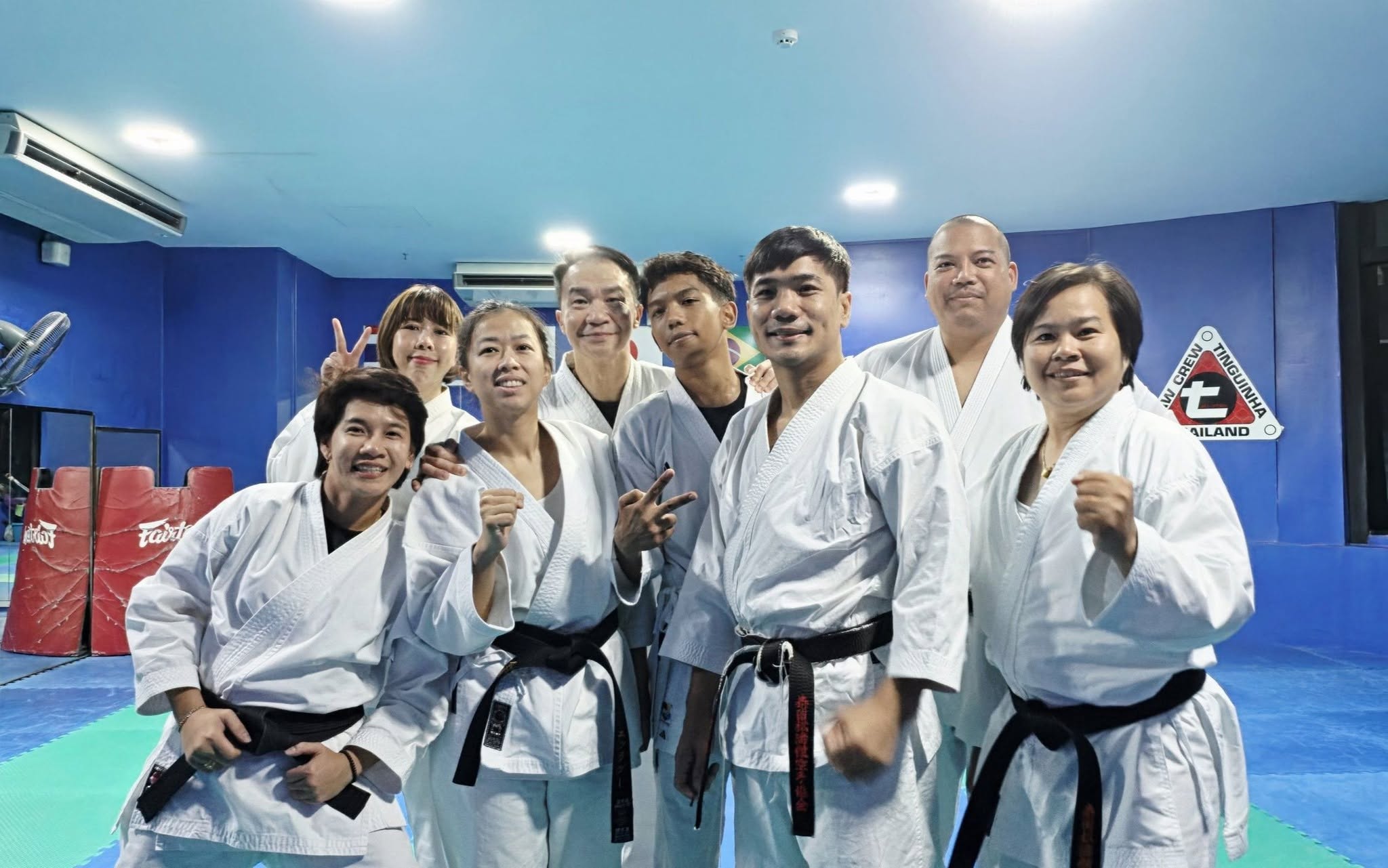
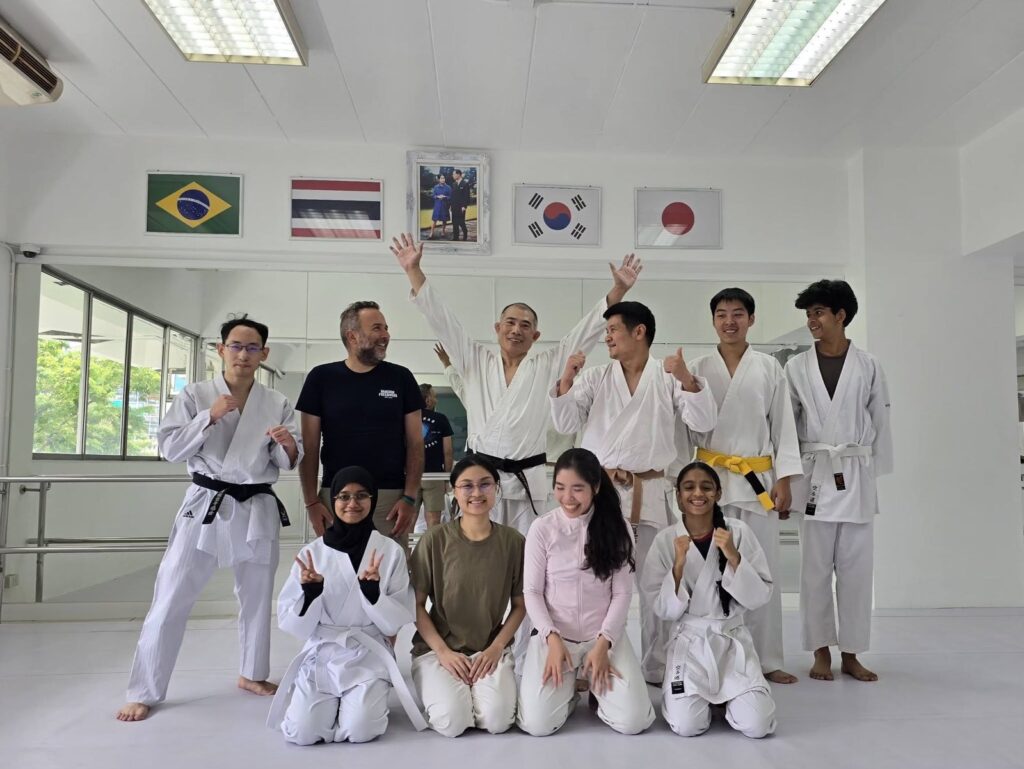
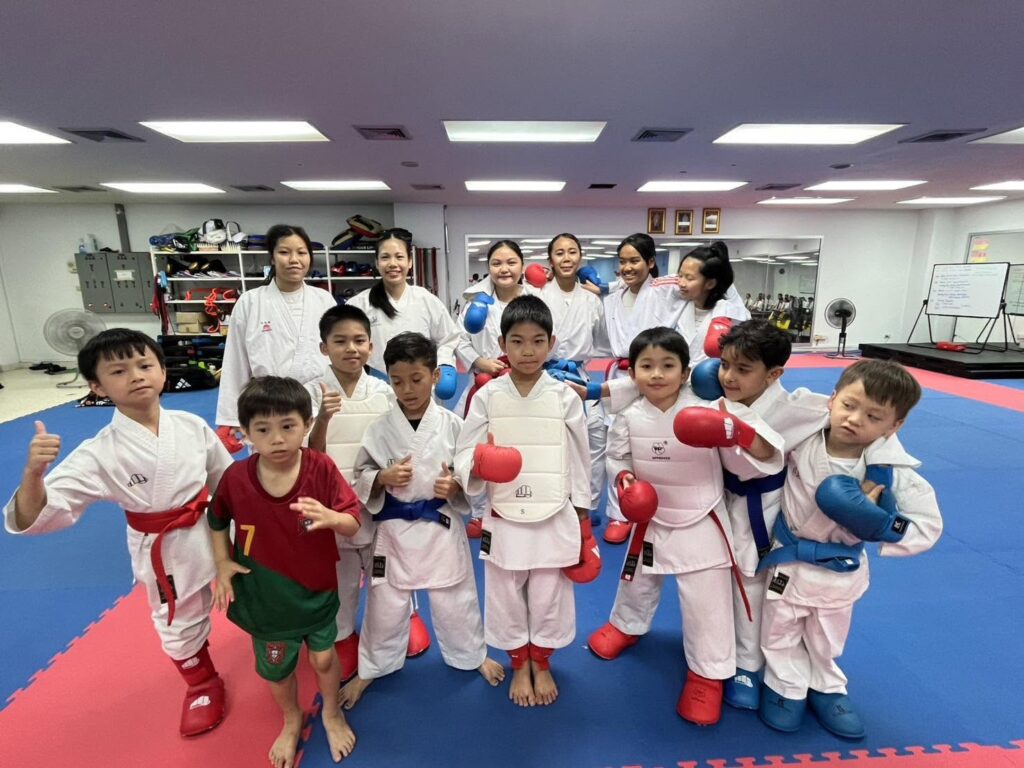
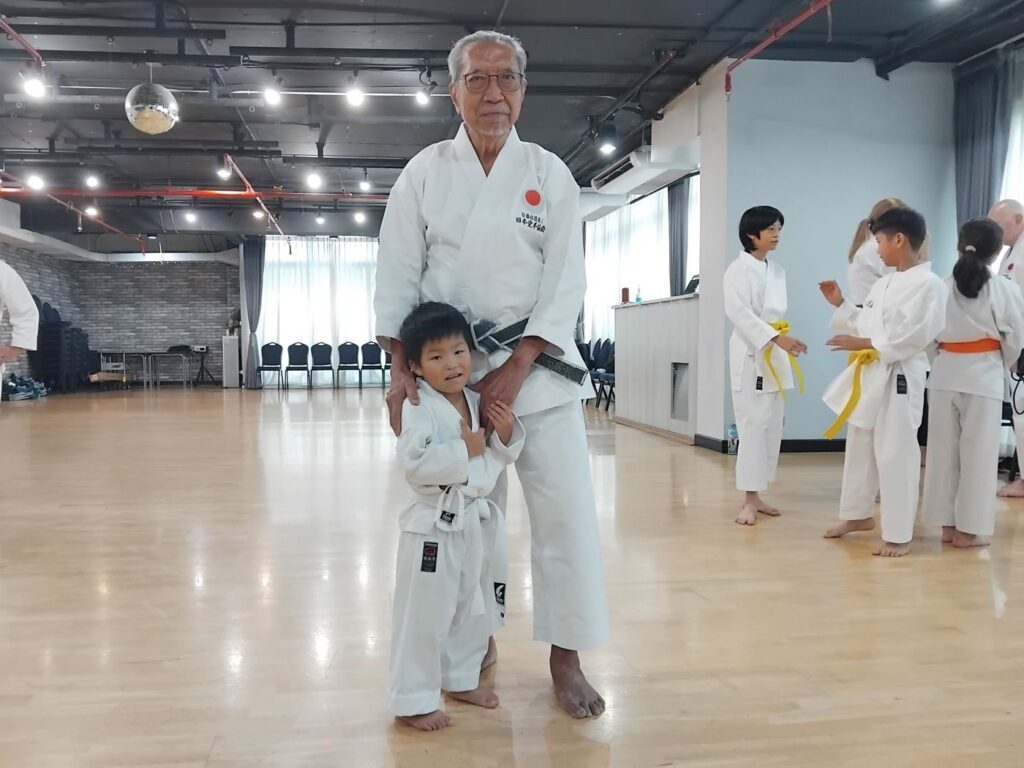
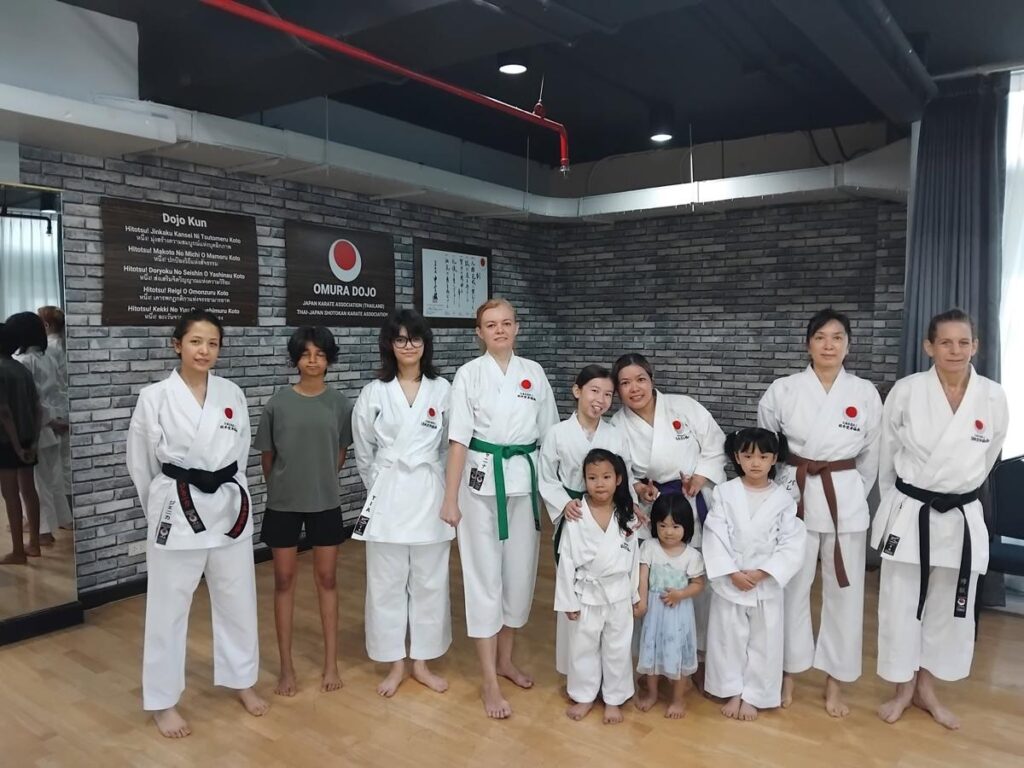
Karate is for everyone. Children and adults, women and men train side by side in TKSA/JKA Thailand dojos, each at their own pace. Every black belt once walked into the dojo for the first time.
You do not need any experience or special fitness. Regular training builds strength, flexibility, focus and confidence, and the Dojo Kun teaches respect and self-control along the way.
Three steps to your first class
1
Find a dojo
Browse TKSA/JKA-affiliated dojos across Thailand and choose one near your home, school or work.
2
Contact the dojo
Call or message the dojo to ask about class times, fees and the right class for you.
3
Join your first class
Arrive a little early, wear comfortable clothes, and tell the instructor you are new. Most of all, ENJOY!
Common questions and answers
Do I need any experience?
Not at all! Every single black belt started on day one without knowing a single move.
You do not need any martial arts background, flexibility, or prior fitness level to join us.
Our instructors take time to introduce foundational movements step-by-step: from basic stances and blocks to simple strikes, all in a friendly, pressure-free environment.
We welcome absolute beginners of all ages, and we love helping new students build confidence right from their very first class.
Am I too old, or is my child too young?
It is never too late to begin, and it is never too early to start building great habits! We welcome students at every stage of life.
Adults often discover that karate is one of the most rewarding ways to stay active, relieve stress, and boost mental clarity.
For young children, it provides a safe, encouraging playground to learn coordination, listening skills, etiquette, and respect for others, and confidence.
Because every person grows at their own pace, our instructors provide attentive, individual care to ensure students learn safely within their own physical capabilities.
While minimum starting ages vary slightly by location (usually starting around 5 years old), we welcome students of every generation to come train, grow, and thrive with us.
Is karate good for children?
Yes! Karate gives kids a healthy physical outlet while building the character, manners, and self-control that stay with them for life.
Through fun, active training, kids build strength, balance, and coordination. At the same time, they learn real-world manners: listening carefully, showing respect to others, and doing their best even when something feels tough.
This powerful mix of physical activity and positive focus helps kids shine well beyond the dojo. It improves their focus at school, builds true confidence, and teaches them how to bounce back from challenges, giving your child a strong foundation to thrive in school, build great friendships, and succeed in whatever career path they choose later in life.
Is karate for women?
Absolutely. Karate is a fantastic, empowering practice for women of all ages and fitness levels.
Training in karate provides an incredible full-body workout that naturally tones muscles, builds core strength, improves posture, and enhances flexibility. Beyond burning calories and sculpting physical fitness, it offers a wonderful way to relieve daily stress and gain a powerful boost in self-confidence.
Whether your goal is to get in shape, increase your mobility, or learn a lifelong martial art, our dojo offers a safe, supportive community with women training at every level, including dedicated female black belts and instructors.
Is karate safe?
Safety is at the heart of everything we do.
As with any active physical activities, minor bumps and bruises can occasionally happen. Training takes place in a highly structured, supervised environment where physical control and mutual respect are taught from day one.
Our experienced instructors ensure every student learns step-by-step at their own comfortable pace, making safety and personal well-being our highest priority.
What is the difference between karate and taekwondo?
Both are striking martial arts, and both teach respect, discipline and self-control. The main differences are where they come from and how they use the hands and feet.
Karate comes from Okinawa, Japan. It uses the hands and feet together: punches, strikes, blocks and kicks, all built on strong, stable stances. Kicks are an important part of training, but they are one tool among many.
Taekwondo comes from Korea, where it was developed in the 1940s and 1950s. It is best known for its kicks, including high kicks to the head and jumping and spinning kicks.
In short: karate balances hands and feet, while taekwondo puts kicking first. Both are great ways to get fit and build confidence. You can try both and see which one suits you better.
Come and try our karate class to feel the difference for yourself!
I have trained in a different karate style. Can I join?
Absolutely!
We warmly welcome martial artists from all karate backgrounds and styles. We honor and value the experience you bring with you.
When you join us, you are welcome to wear your current karate uniform, even if it features your previous style’s crest or logo.
Simply check in with your instructor before your first class so we can help you transition smoothly into our training.
Can I try a class first?
Yes, absolutely!
We would love for you to experience a class firsthand. Trying a class is the best way to feel the energy of our dojo, meet our friendly instructors, and see if martial arts is a good fit for you or your child.
Many dojos offer a complimentary trial session with zero obligation. Simply reach out to your local dojo to reserve your spot!
How much does training cost?
We aim to keep our training accessible and flexible for everyone. Membership rates vary depending on the dojo and how often you plan to train. We also offer special rates and multi-member family discounts at some dojos to make group training easy and enjoyable.
Reach out to the dojo directly for a quick breakdown of their current schedule and pricing.
What should I wear to my first class?
Just wear whatever feels comfortable for moving around! For your first class, everyday sportswear like a t-shirt and track pants or workout leggings is perfect. We train barefoot, so there is no need for special athletic shoes.
Once you settle in and decide to continue your journey with us, we will happily guide you on how to pick up your karate uniform (karate gi).
What basic etiquette should I know?
Dojo etiquette is simply about showing mutual respect and keeping everyone safe! The core practice is simple: we bow upon entering and leaving the dojo (training hall), as well as when greeting our instructors and training partners.
To keep everyone safe during practice, we also ask that you remove jewelry like earrings and necklaces before class. Do not worry about memorizing every detail right away.
Our instructors and senior students are always happy to guide you with patience and warmth as you get comfortable with dojo traditions!
How do belts and grades work?
Your journey in karate follows a clear, rewarding path of growth. Students progress step-by-step through color belt ranks (kyu) on their way toward earning a black belt (dan).
Ranks are awarded through regular belt examinations that follow the global standards of the Japan Karate Association (JKA).
Because all tests are conducted by JKA-certified examiners, your kyu and dan certificates earned here in Thailand are recognized and respected by JKA-affiliated dojos all over the world.
Check out the Grading page to understand how the grading works. About grading →
Ready to begin?
Find the dojo that suits you, or send us your questions.