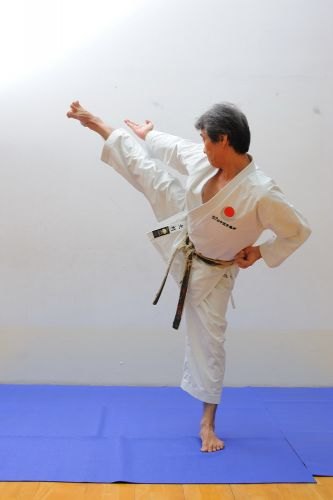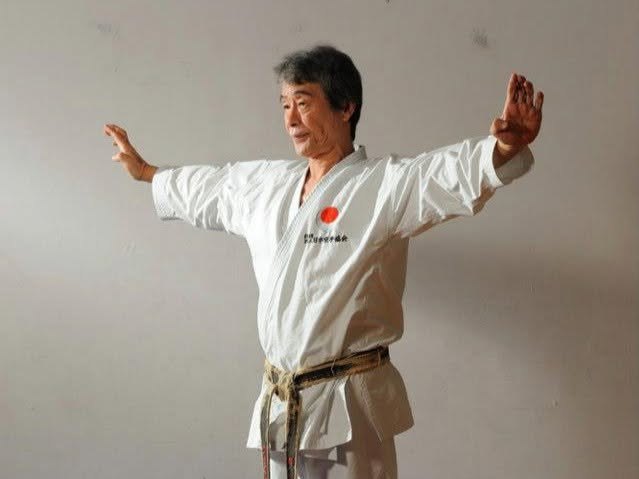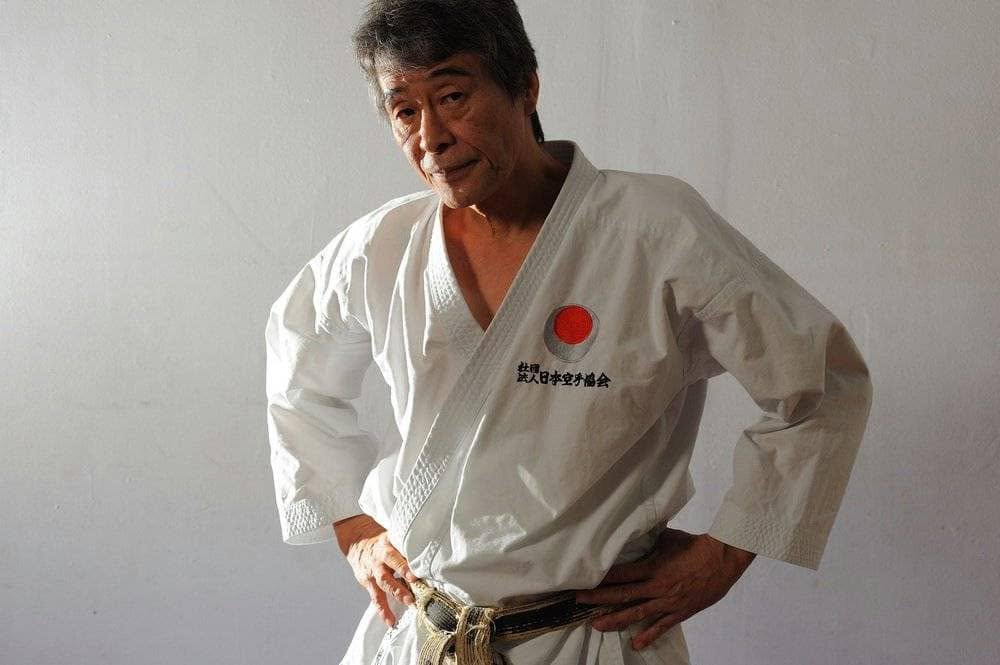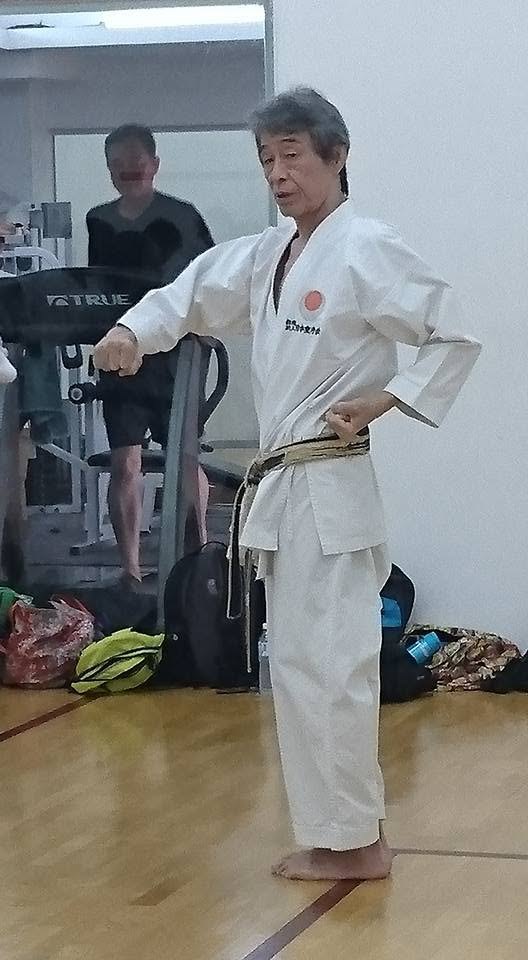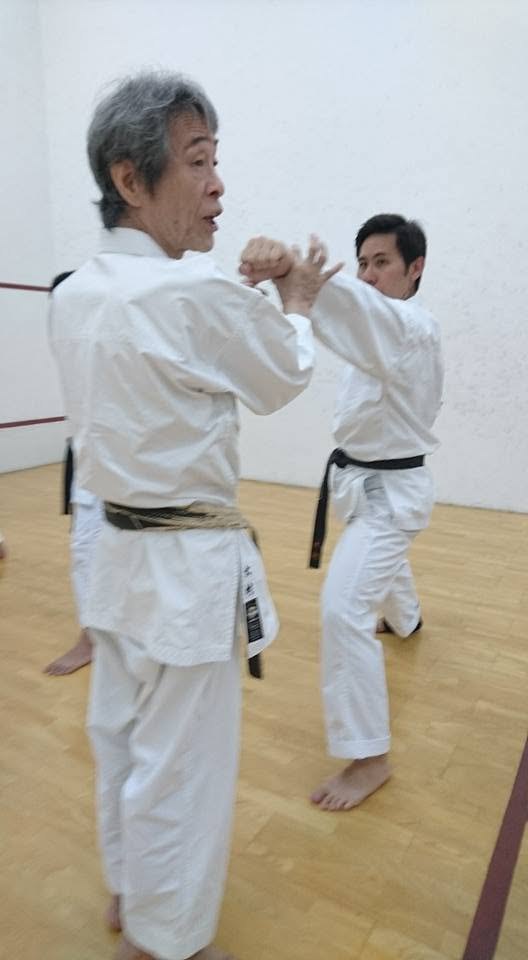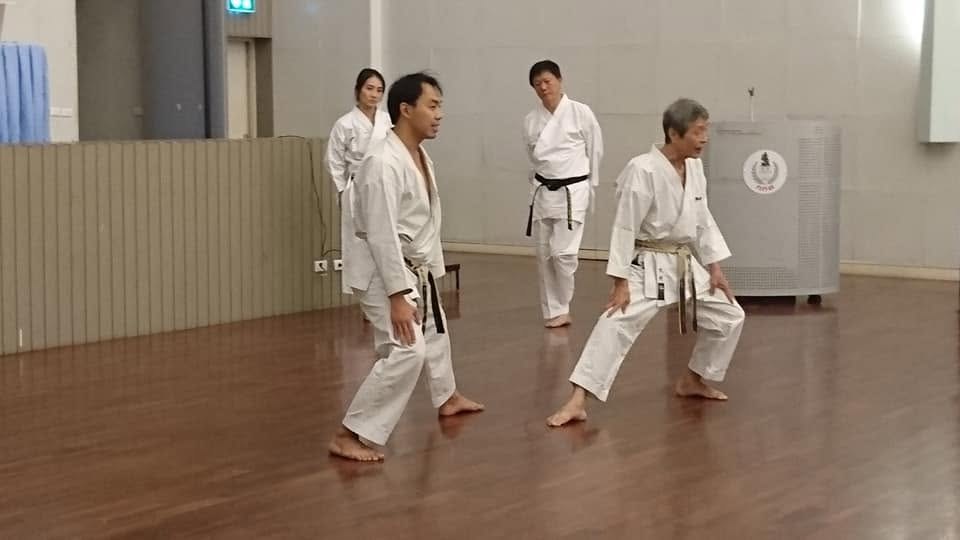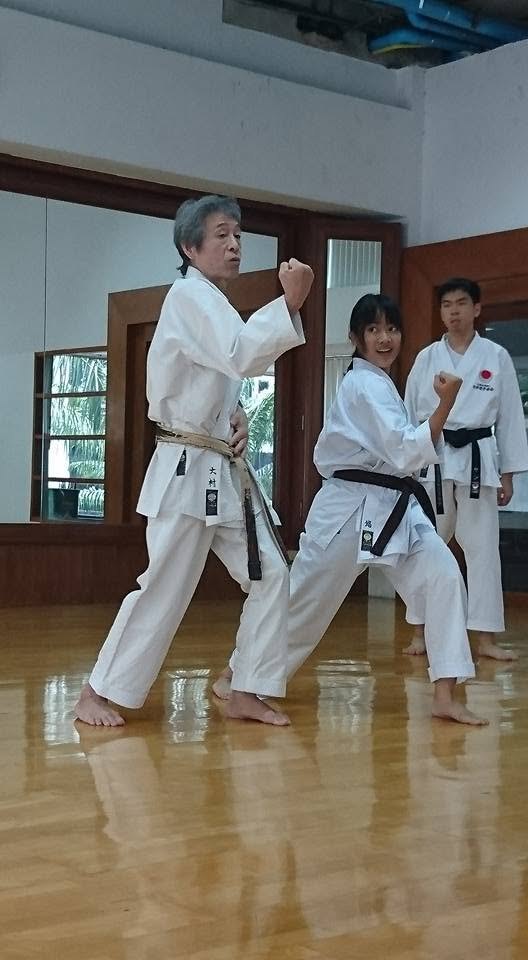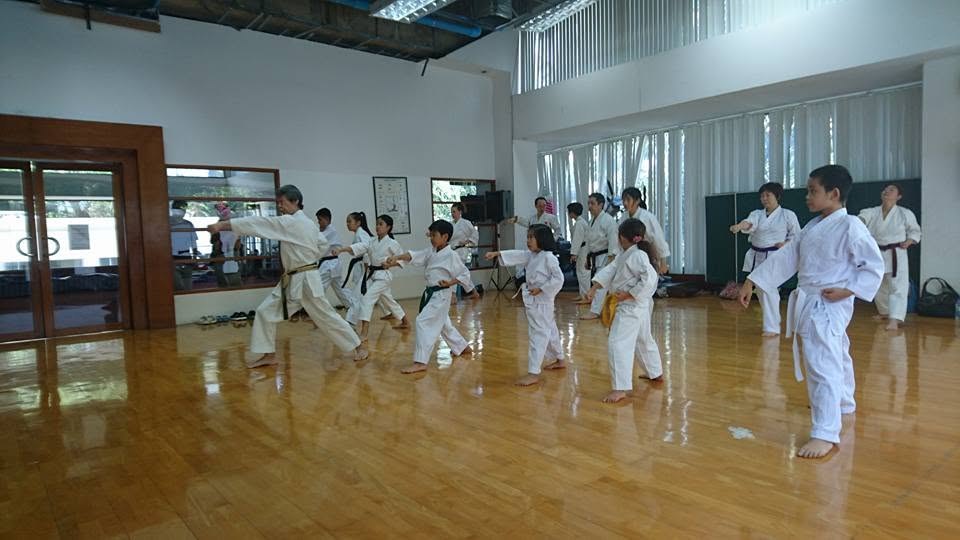
大村藤清師範
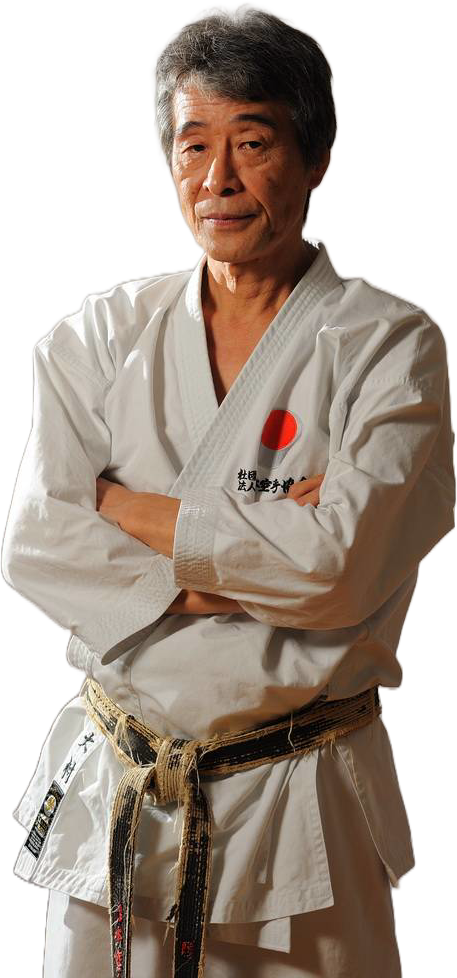
The Father of Shotokan Karate in Thailand
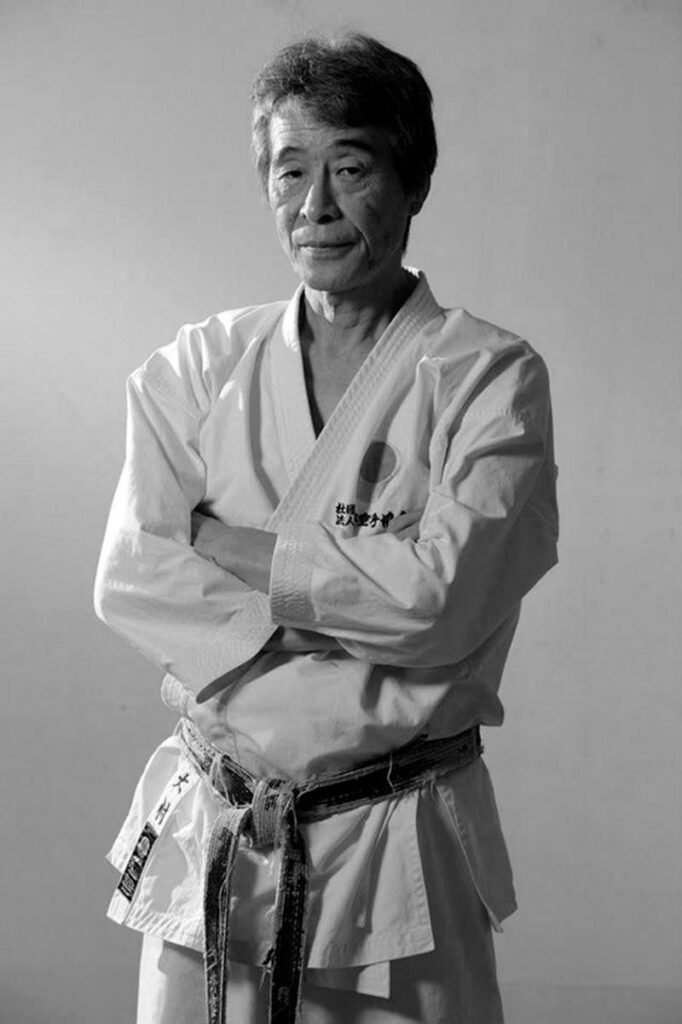
Omura Fujikiyo Shihan
8th Dan, Japan Karate Association, 1953-2023
“Karate-Do is a way to self-realization.”
His life in karate
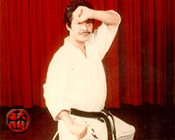
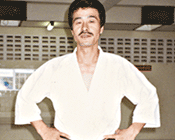
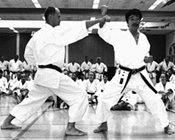
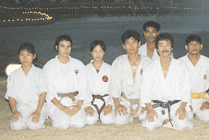
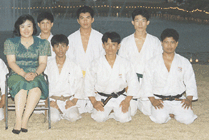
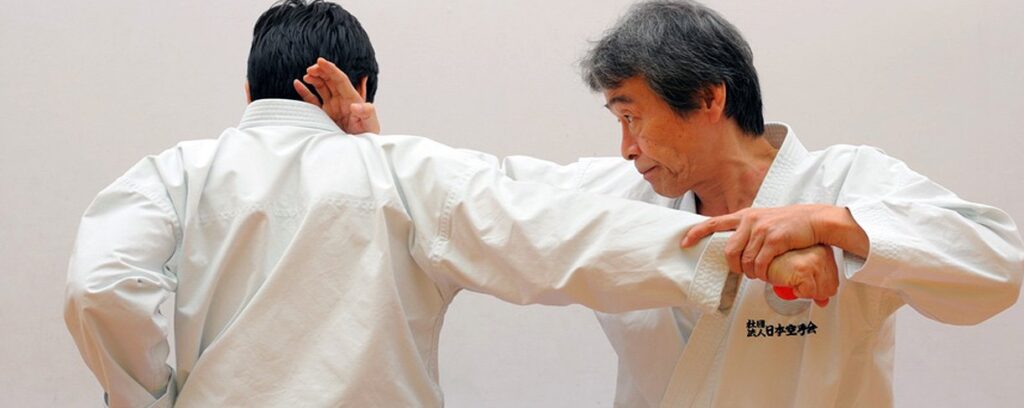
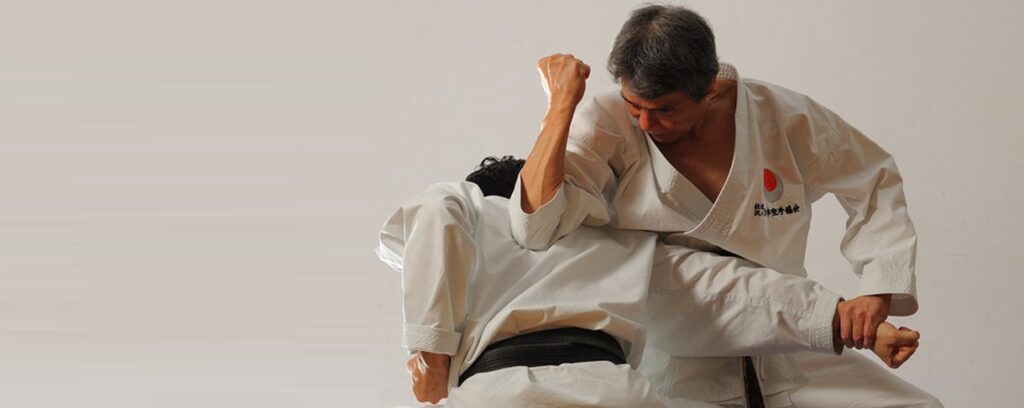
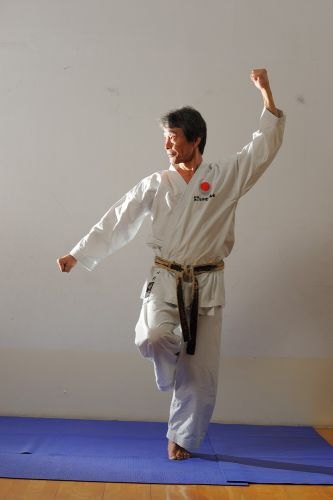
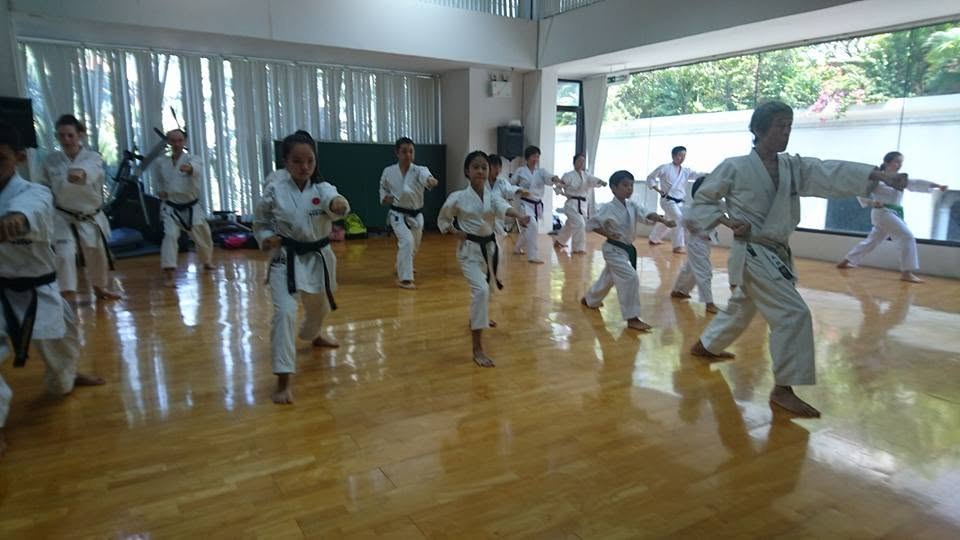
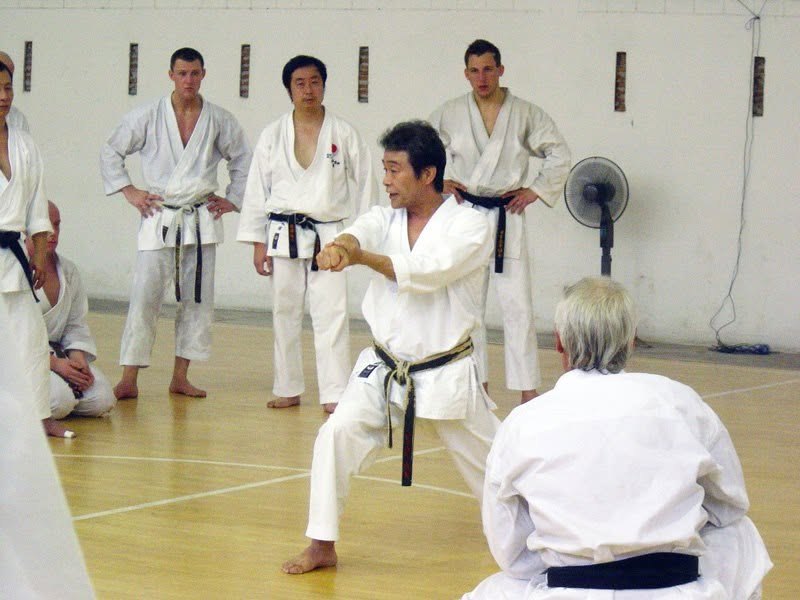
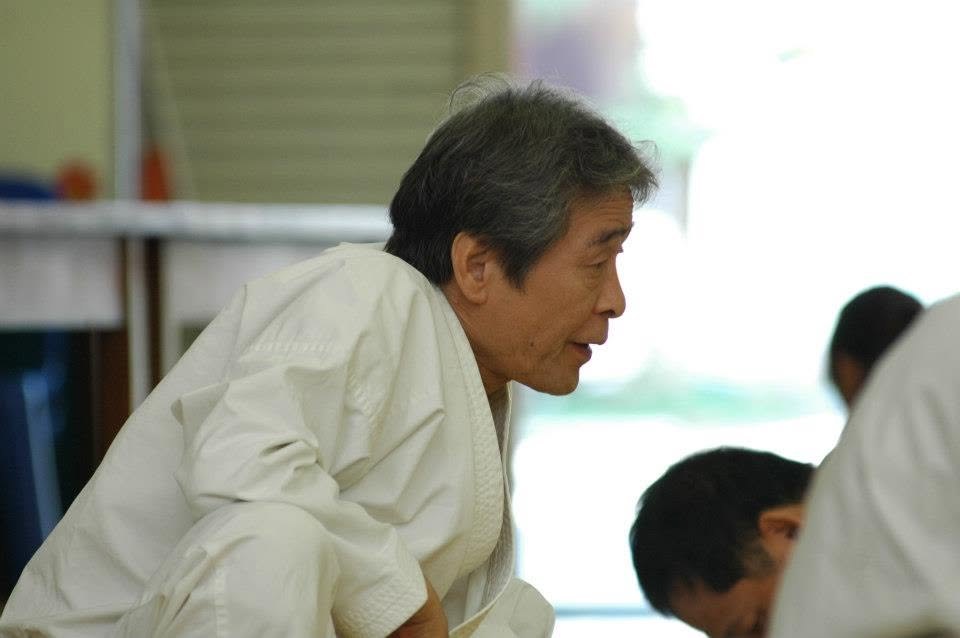
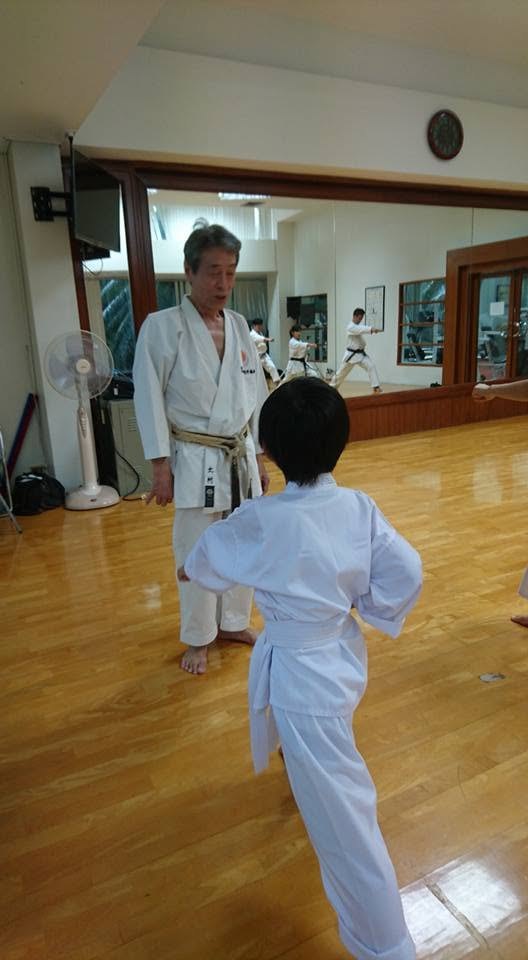
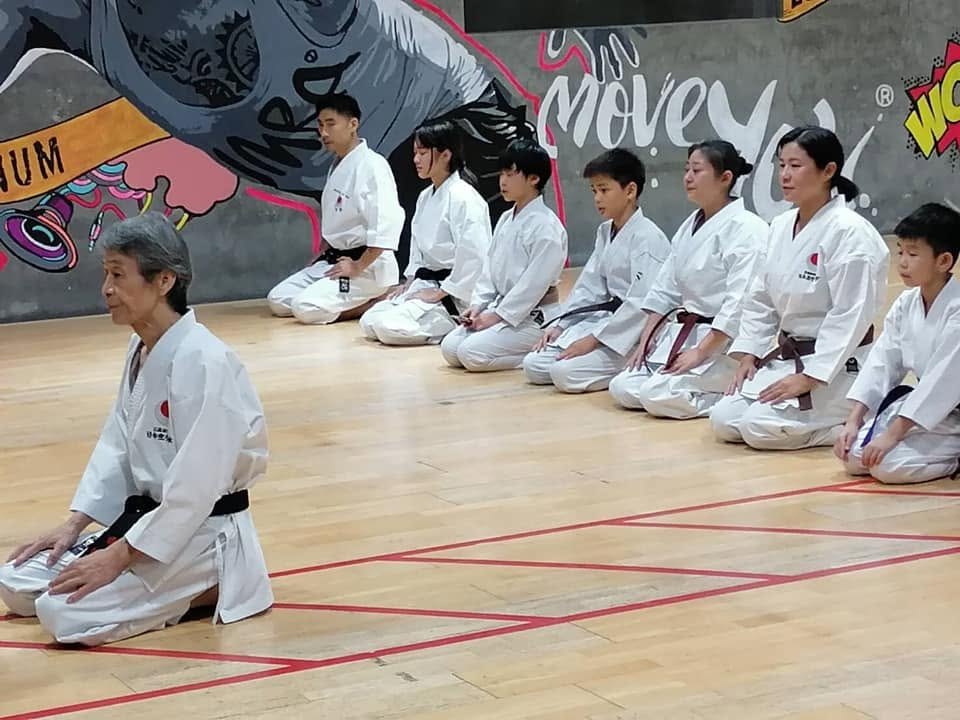
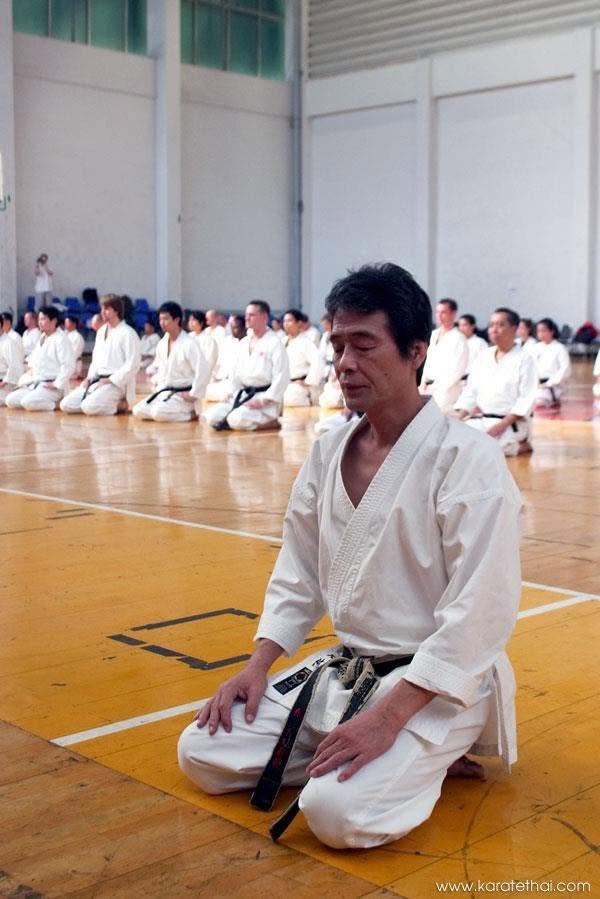
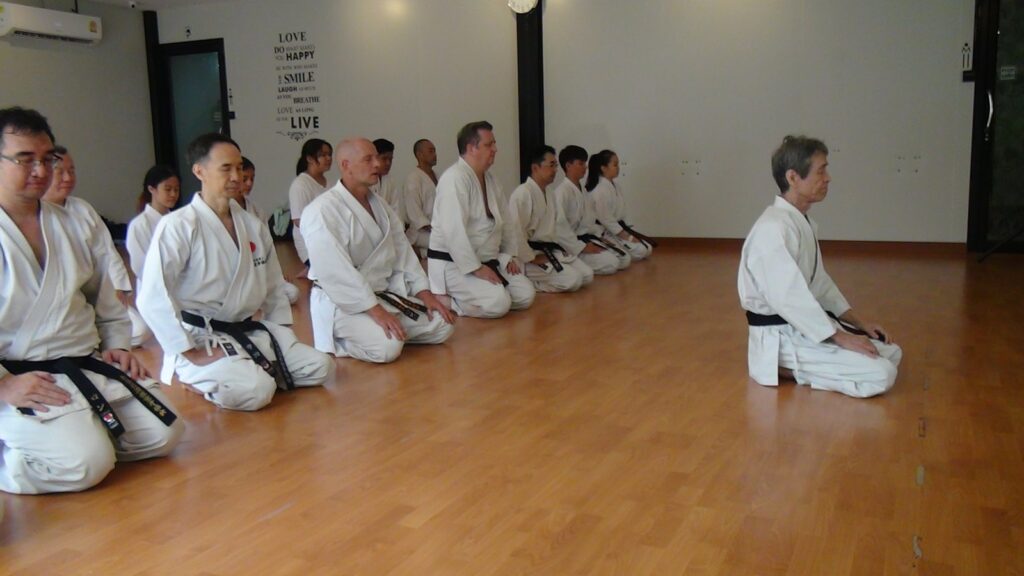
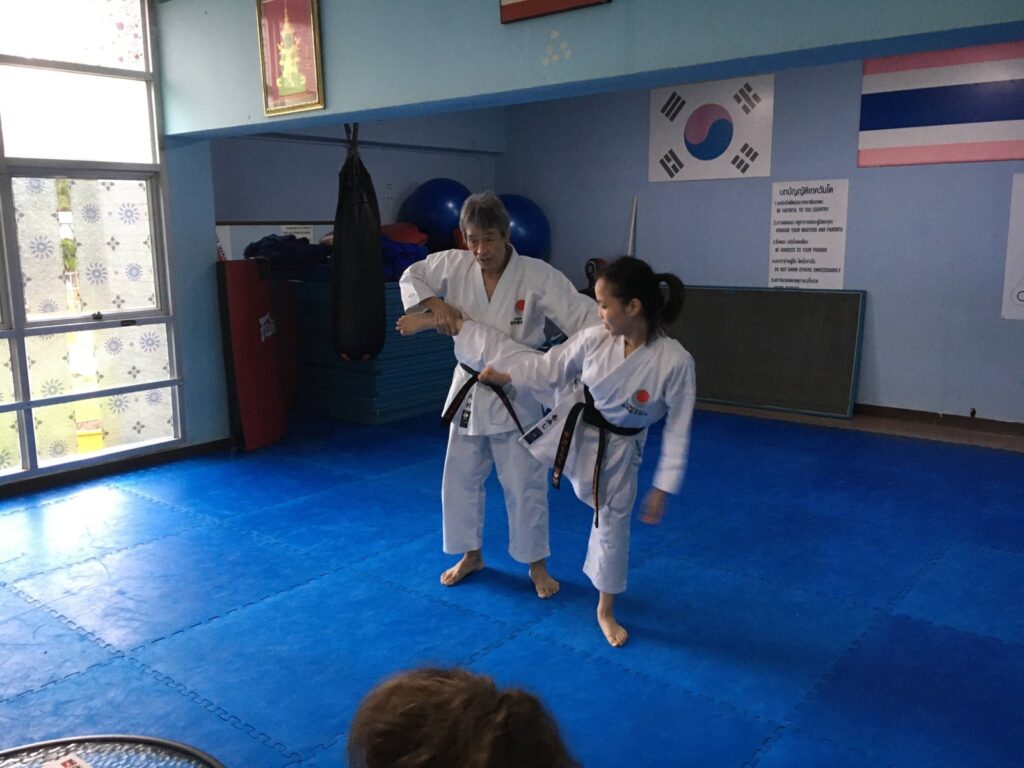
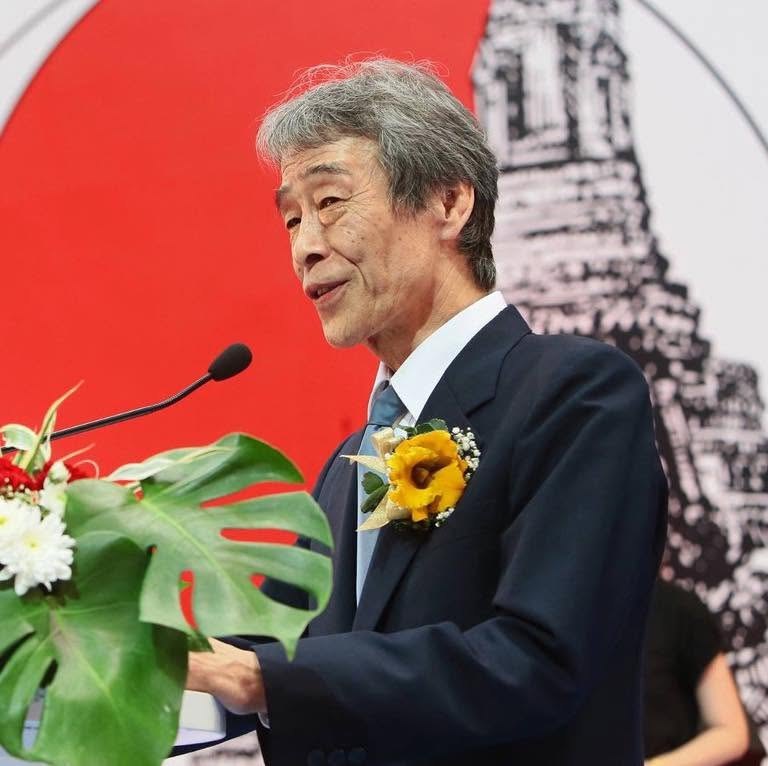
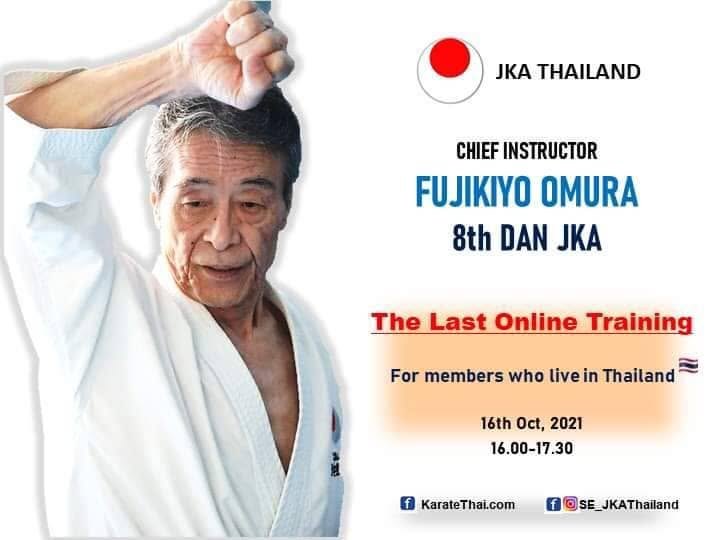
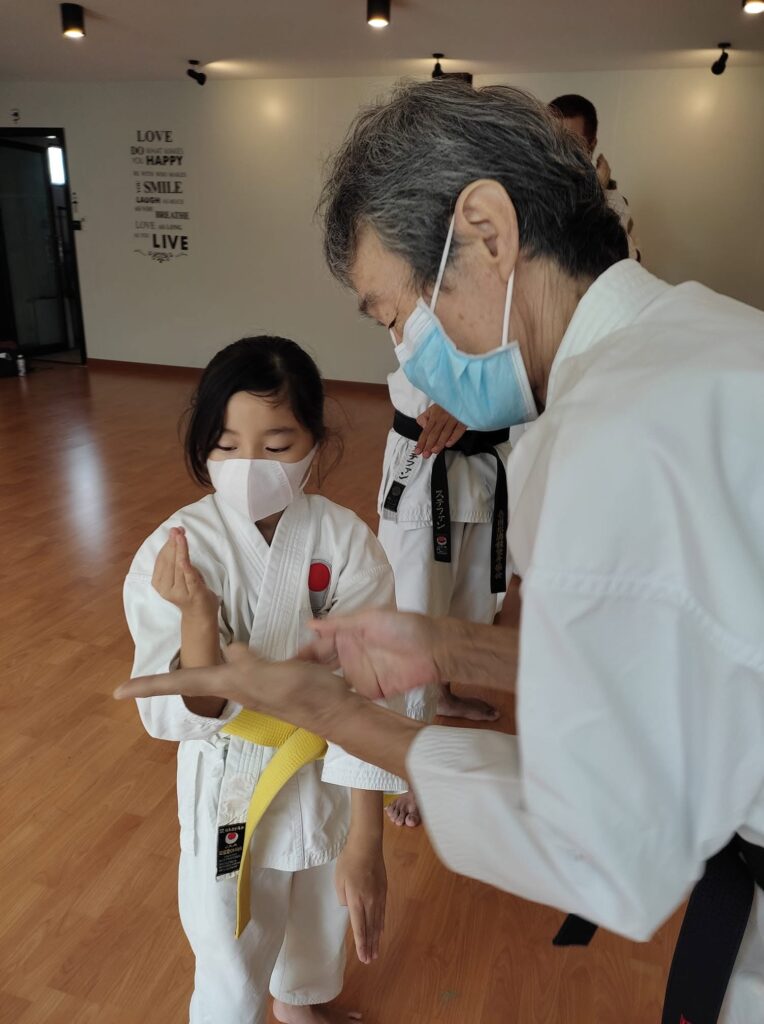
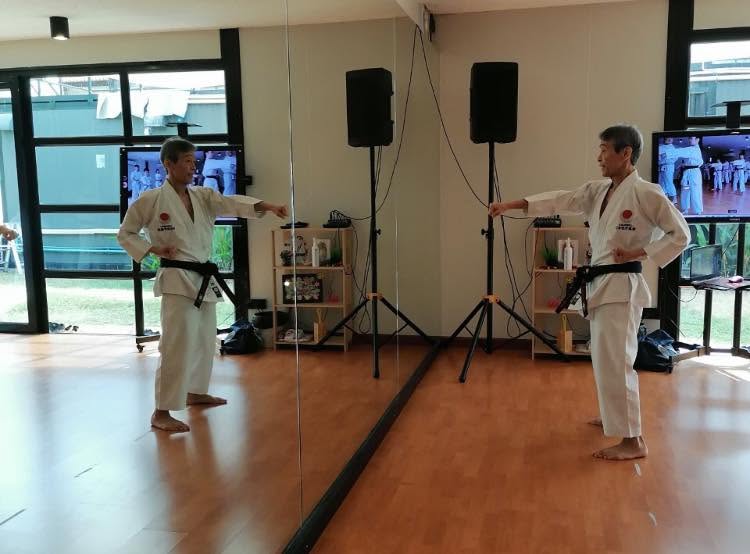
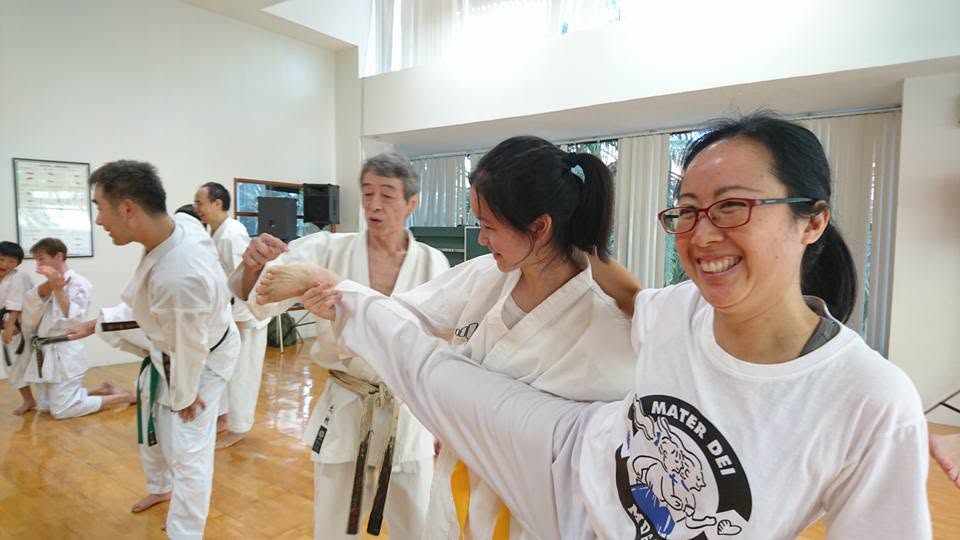
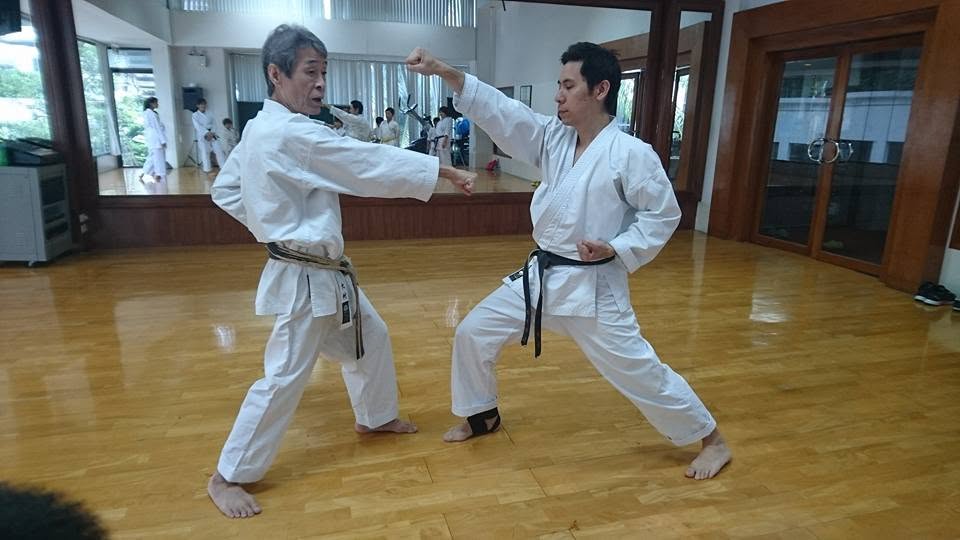
Omura Fujikiyo Shihan (1953-2023), 8th Dan, Japan Karate Association, was the Father of Shotokan Karate in Thailand. He was a true embodiment of the JKA Karate spirit and a highly respected teacher who devoted more than 30 years of his life to sharing the art with the Thai people. During his stay in Thailand, he also periodically visited and taught in other countries such as Singapore, Malaysia, Cambodia, and Lao PDR.
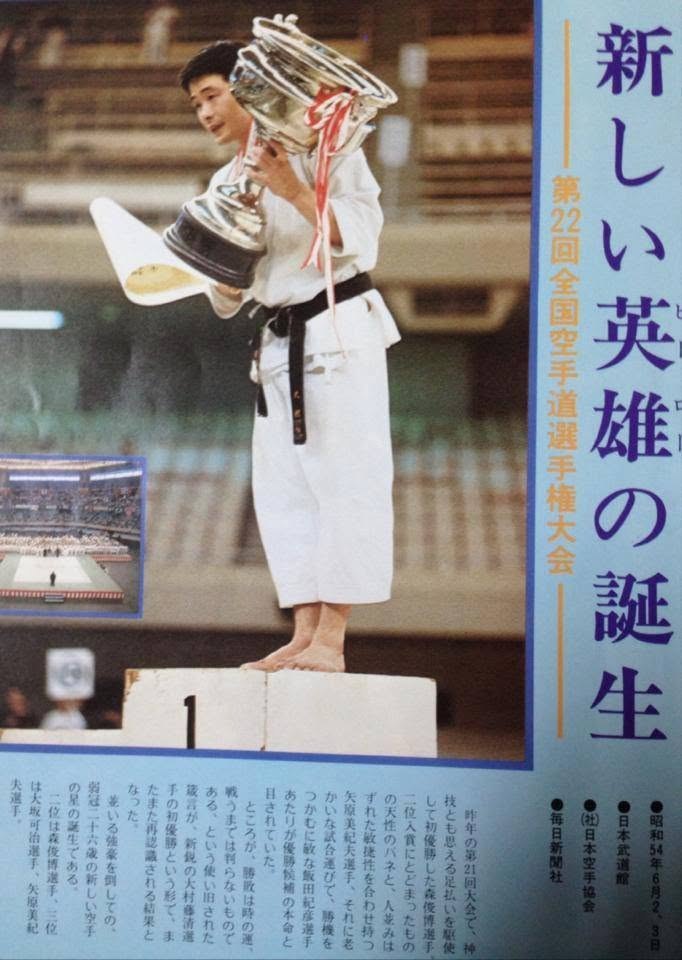
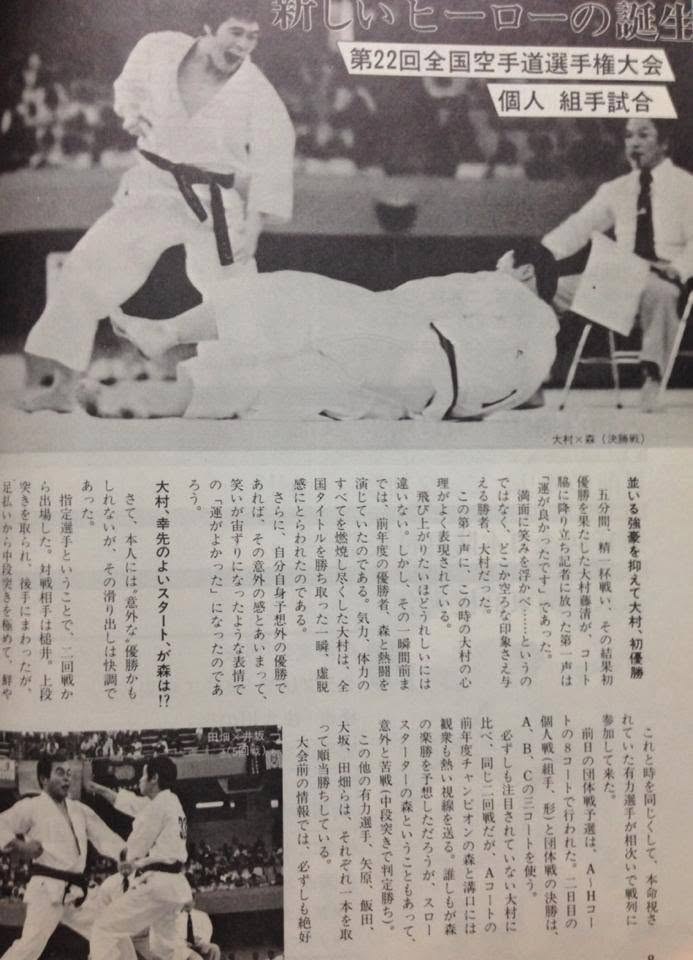
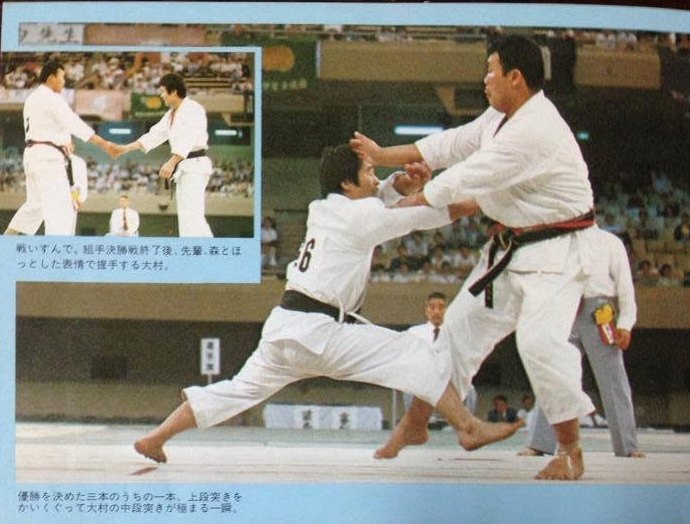
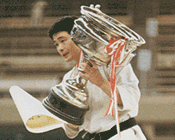
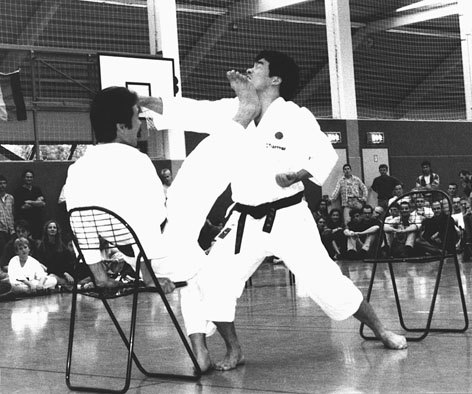
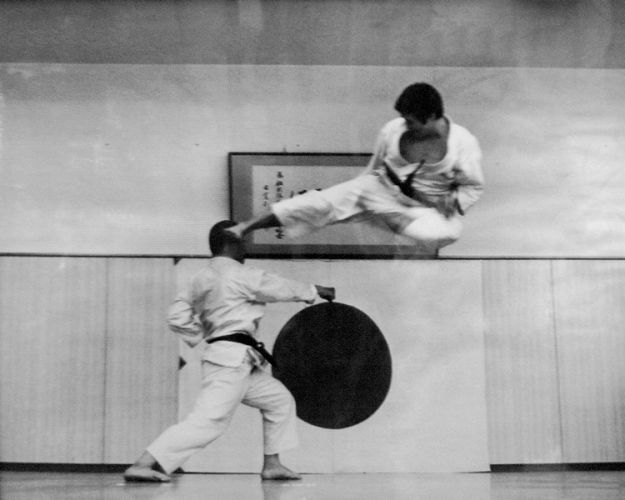
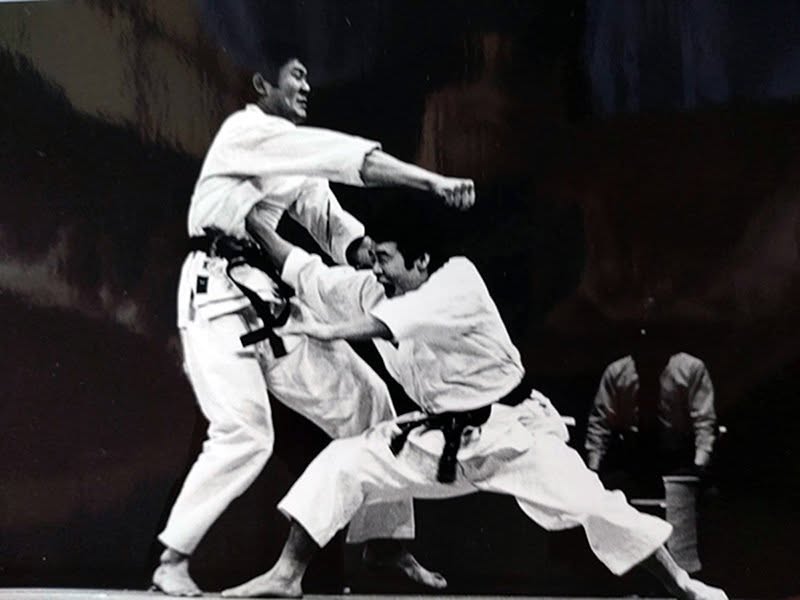
A graduate of Takushoku University in Japan, Master Omura served as a JKA headquarters instructor under Master Nakayama Masatoshi, the first JKA Chief Instructor, and he brought a global perspective to his teaching. He was also a champion on the world stage, taking first place at the IAKF World Karate Championship in 1977 and 1980, and at the JKA All Japan Karate Championship in 1979.
Beyond his titles, Master Omura’s true impact lies in the lives he touched. He guided countless karate practitioners, passing on not only technique but also the values of discipline, respect and perseverance. His memory continues to inspire generations of students in Thailand and beyond, who carry forward the spirit of JKA Karate that he championed so passionately.
Milestones
1953
Born in Shizuoka, Japan
1971
Entered Takushoku University, Tokyo, Japan
1977
1st place, IAKF World Karate Championship
1978
Completed the 2-year JKA instructor training and became a JKA headquarters instructor
1979
1st place, JKA All Japan Karate Championship
1980
1st place, IAKF World Karate Championship
1986
3rd place, JKA All Japan Karate Championship
1989
Invited to Thailand by Mr. Chutinant Bhirombhakdi to be the Chief Instructor
2000
Started the annual Siam Camp
2015
Organized the 1st JKA Asia Oceania Karate Championship Tournament
2019
Organized the 2nd JKA Asia Oceania Karate Championship Tournament
2023
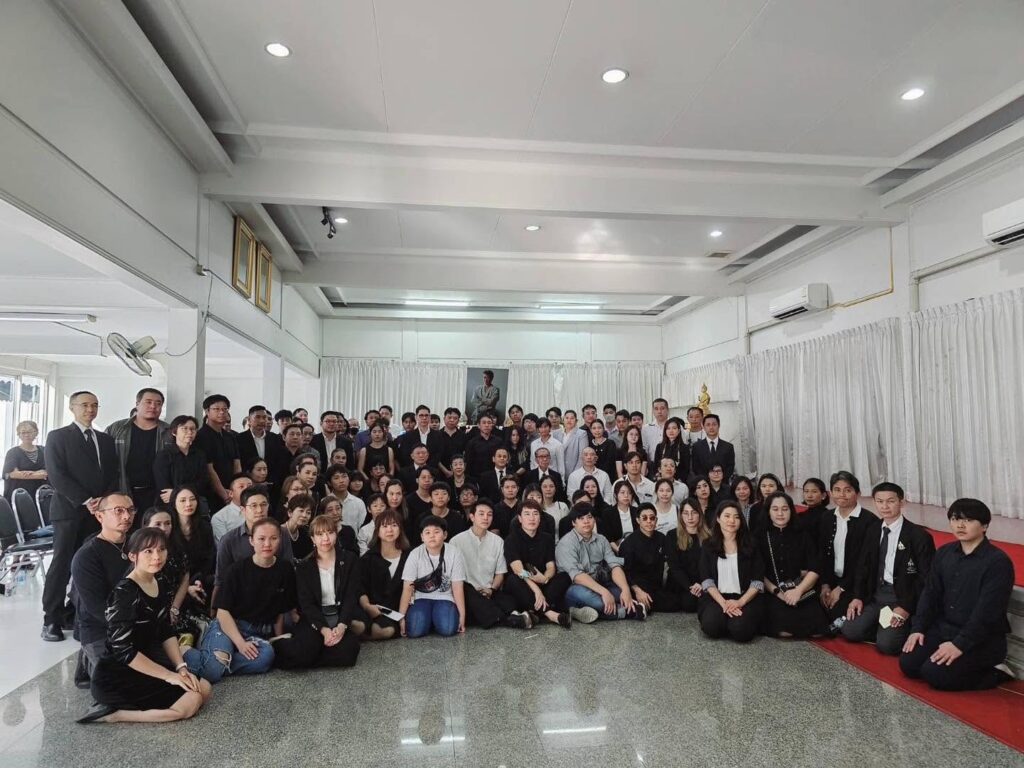
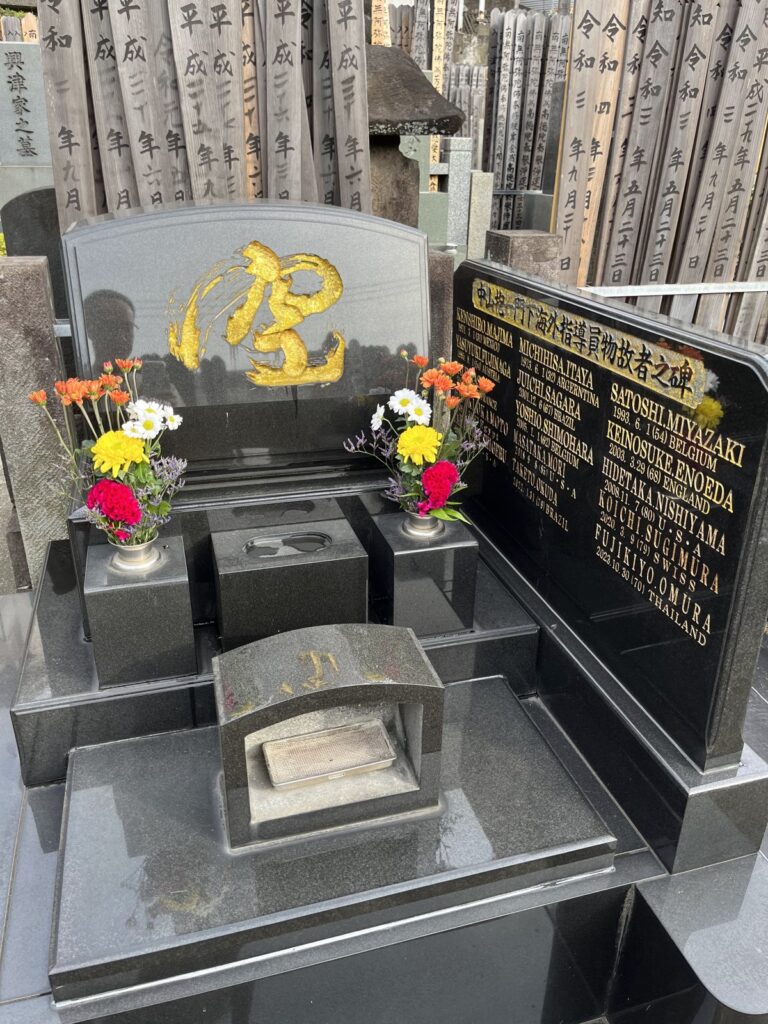
Passed away after more than 30 years of teaching karate in Thailand
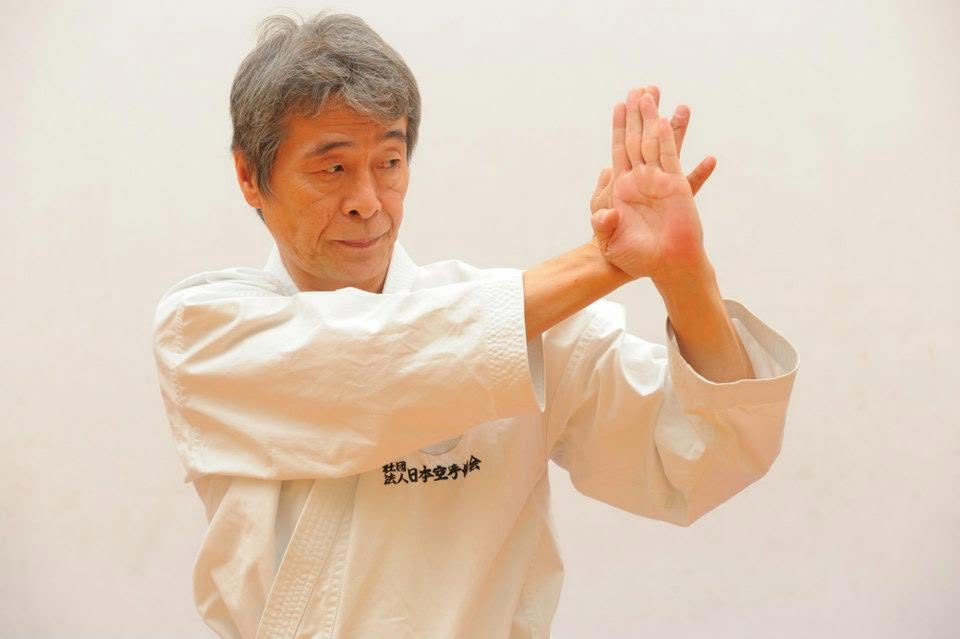
Omura Shihan’s view
Omura Shihan’s views on different aspects of Karate-do
“To me Karate-do is a way to self-realization.”
What is Karate-do?
Apart from the formal introduction of karate and its history, to me Karate-do is a way to self-realization.
Through the practice of karate, we come to know what is good and bad for our karate, and later what is good and bad for ourselves. Through hard training, and competition too, we learn how our body and mind respond to different situations, and we try to make the best of it. Eventually, we have to apply this hard-earned knowledge in our daily lives.
I think it is not enough to be good at karate alone. We also have to bring karate principles into our own world, that is, into our relationships with other members of society. When this is done successfully, a karate-ka can say that he understands Karate-do.
People differ from one another in size, shape, mind and so on, which makes it all the more interesting to understand what karate has to offer each of us. One has to study karate long and hard enough to learn what one’s body actually needs and deserves. We first learn the basics. Once they are perfected, we learn how to use them to overpower an opponent with one single technique. This is Budo karate.
What is a karate sensei?
A karate sensei is different from a karate instructor. A sensei has a responsibility to develop not only his students’ karate but also their minds. This is the objective of a karate sensei. A karate instructor, by contrast, simply instructs students without any such awareness, let alone any responsibility.
Most important for a karate sensei is to have a heart for teaching. He has to understand what he has to offer his students, and how much each student can receive from his teaching. It is the sensei’s task to instill the correct philosophy of karate in his students, with discipline and an emphasis on moral conduct, right from the very beginning.
Talking philosophy or explaining the finer points of karate is not the only thing a karate sensei should be good at. He should be able to do what he is trying to teach. Talking and doing karate together is what makes a karate sensei.
What is a karate-ka (student)?
In my opinion, a karate student has to understand what his teacher is trying to explain. The student will not always understand everything his sensei teaches, but then karate is not easy to understand through words alone. A karate student has to learn these principles first with his mind and then with his body, which means he has to practice hard while keeping in mind what he has been taught in the dojo.
A karate student should always be thinking: How can I go about my technique? How can I make the best of it? How can I make conditions favorable for me? This, I think, should be the attitude of a karate student, as well as of a fighter.
A karate student also has to know whether his physical and mental condition is good enough to receive hard and appropriate training. Without both, it becomes very difficult, if not impossible, for the teacher to pass on his knowledge. A student has to prepare himself accordingly if he wants to pursue serious, lifelong karate training.
Photo gallery
Click a photo to enlarge